Monday, October 12, 2015

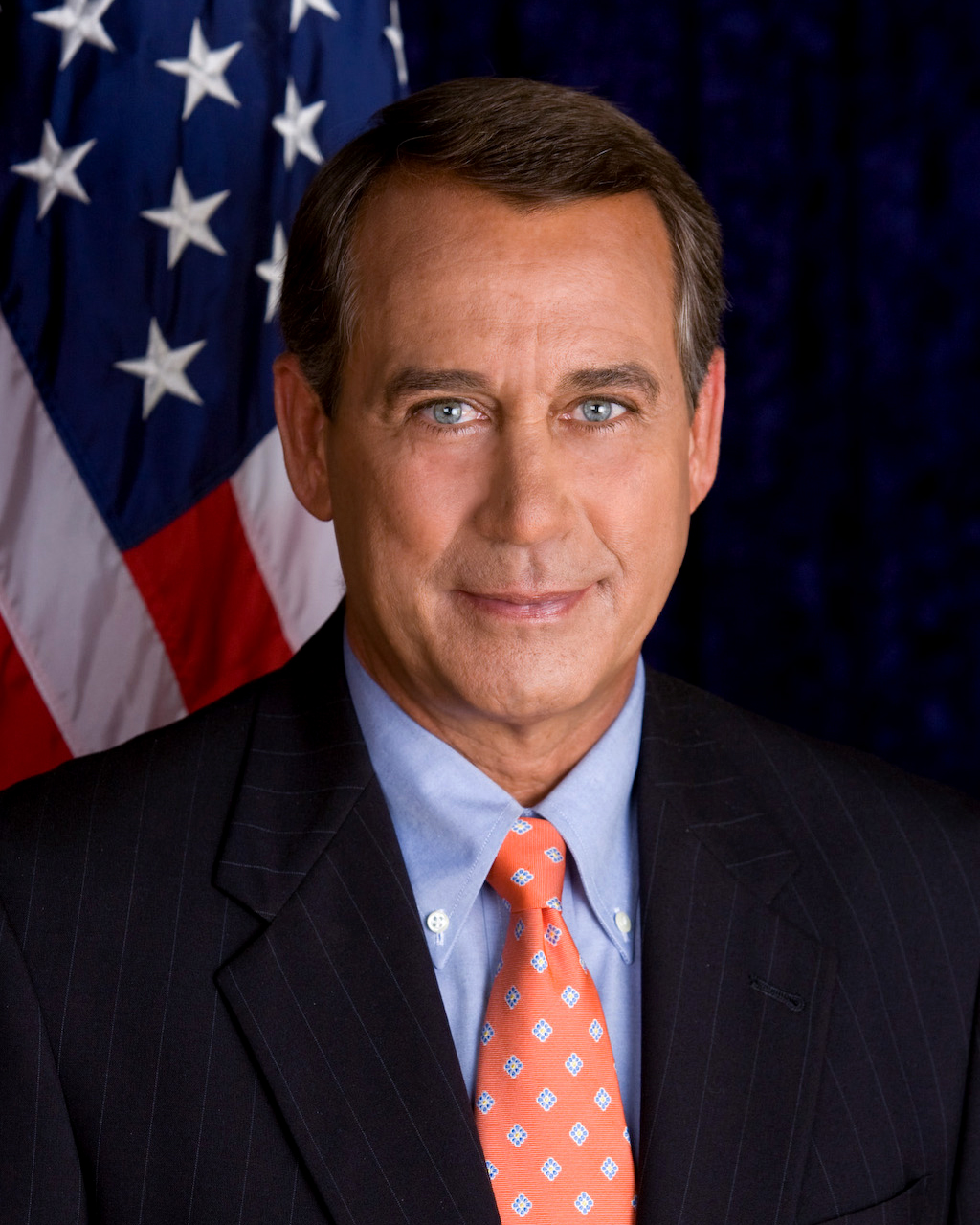
Republicans Were More United Than Ever Under John Boehner

John Boehner’s tenure as speaker of the House, which will end with his resignation next month, is striking because of a seeming contradiction. By statistical measures, it featured an extraordinary degree of party unity among Republicans in the House. At almost no point in history have such a large majority of Republicans voted together so often, especially when they stood in opposition to Democrats.

House Speaker John Boehner announces his resignation during a news conference Friday on Capitol Hill.And yet, Boehner was brought down by division within the Republican ranks: His decision to resign was motivated by a group of dissident, highly conservative Republicans, the Freedom Caucus, who had threatened a no-confidence vote in his speakership. Meanwhile, Republicans have had trouble reaching consensus in many other respects during Boehner’s years as speaker: most notably, in choosing a candidate in the current presidential race.
U.S. Rep. Kevin McCarthy, on Thursday on Capitol Hill.Having a conservative track record isn’t everything in the Republican Party. Just ask Donald Trump, who doesn’t have one. Or Rep. Kevin McCarthy, who does. McCarthy decided today not to run for speaker of the House after supposedly having the edge. He faced opposition from the Freedom Caucus, a group of House Republicans who have pushed for a more confrontational approach with Democrats.
McCarthy is in the middle of the House GOP ideologically. Of course, because the GOP as a whole has gotten much more conservative in recent years, that means McCarthy is quite conservative too. But the resistance to electing him speaker wasn’t just about ideology; McCarthy represents a Republican establishment less willing to threaten a government shutdown or refuse to raise the debt ceiling to achieve legislative goals. The split within the party is largely a disagreement over tactics.

The Freedom Caucus1 isn’t composed exclusively of far-right Republicans; many members sit squarely in the GOP’s ideological mainstream. You can see this in the following chart, which shows Freedom Caucus members according to two metrics:

Friday, September 25, 2015

House Speaker John Boehner to resign


            John Boehner, the Ohio Republican who steered his party to an overwhelming House majority in 2010, told colleagues Friday he's stepping down as Speaker and will leave Congress at the end of October.
The abrupt decision comes after he faced heavy pressure from conservatives to take a harder line on their causes, most recently over defunding Planned Parenthood.

Boehner, who has presided over the House since 2011, explained during a closed-door meeting with Republicans Friday morning that he had only planned to serve two terms as speaker but decided to hold onto his post after then-House Majority Leader Eric Cantor lost his seat during a primary last year, a Republican lawmaker in the room told CNN.

Saturday, September 19, 2015

Lawmakers file 'Tennessee Natural Marriage Defense Act'

Tennessee lawmakers promised some sort of legislative response after the U.S. Supreme Court ruled same-sex marriage legal for every state in the country.
On Thursday two state Republican lawmakers unveiled their answer: a bill that they believe voids the Supreme Court decision and continues to define marriage under Tennessee law as a union between a man and a woman.
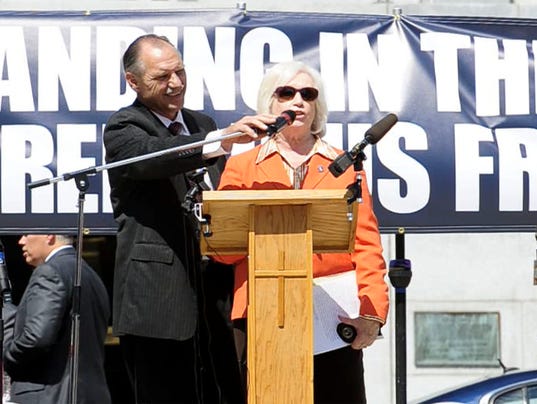
635781026453432161-Rally-Jae-Lee"Natural marriage between one (1) man and one (1) woman as recognized by the people of
Tennessee remains the law in Tennessee, regardless of any court decision to the contrary," the bill
states.
"Any court decision purporting to strike down natural marriage, including (a recent U.S. Supreme

Court decision), is unauthoritative, void, and of no effect."

Thursday, September 17, 2015

FactCheck.org: Republican Debate #2

CNN GOP debateTh:e Republican presidential candidates met for their second debate on Sept. 16, this one hosted by CNN at the Ronald Reagan Presidential Library and Museum in Csalifornia. We found they strayed from the facts on numerous issues, including
§  Donald Trump told a story linking vaccination to autism, but there’s no evidence that recommended vaccines cause autism. And Sen. Rand Paul suggested that it would be safer to spread out recommended vaccines, but there’s no evidence of that, either.
§  Former Florida Gov. Jeb Bush said Trump donated to his gubernatorial campaign to get him to change his mind on casino gambling in Florida. But Trump denied he ever wanted to bring casino gambling to the state. A former lobbyist says he did.
§  Former Arkansas Gov. Mike Huckabee said that Hillary Clinton was “under investigation by the FBI” because she “destroyed government records.” Not true. She had the authority to delete personal emails.
§  Trump said that “illegal immigration” cost “more than $200 billion a year.” We couldn’t find any support for that. Actually, it could cost taxpayers $137 billion or more to deport the 11 million immigrants in the country illegally, as Trump proposes.
§  Trump again wrongly said that Mexico doesn’t have a birthright citizenship policy like the United States. It does.
§  Carly Fiorina said that the Planned Parenthood videos released by an anti-abortion group showed “a fully formed fetus on the table, its heart beating, its legs kicking while someone says we have to keep it alive to harvest its brain.” But that scene isn’t in any of the videos.
§  Fiorina repeated familiar boasts about her time at Hewlett-Packard, saying the size of the company “doubled,” without mentioning that was due to a merger with Compaq, and she cherry-picked other statistics.

Republican debate: Fact-checking the candidates

Washington (CNN)The CNN Fact-Checking Team worked through both Republican debates Wednesday night, comparing notable, surprising or otherwise interesting claims from the candidates against the facts.

The team, comprised of researchers, editors and reporters across CNN, picked the juiciest statements, analyzed them, consulted issue experts and then rated them either: True; Mostly True; True, but Misleading; False; or It's Complicated.

Saturday, September 12, 2015

What you need to know about Hillary Clinton’s e-mails

What happened
Hillary Clinton used a private e-mail server to carry out State Department business while she was Secretary of State. Some of her correspondence was between non-government e-mail addresses.
Records not under government control

Why it matters
Used private e-mail server

Records not involving government e-mail addresses were not under government control, raising issues concerning security and the State Department’s ability to follow open records laws.